

Blogs

Factors That May Cause Congenital Heart DefectBy RCHI 22 Jan 2021
A Congenital Heart Defect is a heart condition that a baby is born with. It is caused by abnormal heart formation during the growth inside the womb. Usually, there isn’t any known reason why a baby has a congenital heart defect. Some of the defects are associated with abnormalities in the number of chromosomes in the baby while others have been associated with single-gene defects. In most cases, the heart defect doesn’t have a clear cause but is caused by several factors - genetic as well as environmental. Either way, it is crucial to consult the specialists at the best cardiac surgery hospitals in Hyderabad, Rainbow Children’s Heart Institute to get the right treatment for the child.
In this article, we will be discussing the factors that might cause a congenital heart defect:
- Maternal factors and CHDs
There isn’t any known cause of most congenital heart defect cases. But some types of defects occur more frequently when the mother gets in contact with certain substances during the first few weeks of pregnancy. During this time, the baby’s heart is growing. It might be an illness or medicine for the illness that could affect the growth of the heart. That is why it is important to talk to the doctor about all the medications that are being taken by the mother during pregnancy.
Here are a few things that might lead to a greater risk of the baby born with a congenital heart defect:
- Taking lithium for treating depression
- Seizure disorder and taking anti-seizure medicines
- Having phenylketonuria (PKU) and not following the special PKU diet while being pregnant
- Lupus
- Insulin-dependent diabetes, especially when the blood sugar is not controlled properly
- Pregnancy from ART or Assisted Reproductive Technology
- A connective tissue disorder
That is why women with chronic illnesses should undergo counseling before getting pregnant.
Rubella is another condition that is known for causing birth defects. Most people are protected from this condition after getting the MMR vaccine. If a woman has never had the vaccine or hasn’t had rubella before, they must talk to their doctor before getting pregnant. If a pregnant woman gets rubella, the chances of the baby born with a birth defect increase.
- Family history and CHDs
About 1% of all children have a congenital heart defect. This risk increases 3 times if a first-degree relative also has a CHD.
Some of the heart defects are known to have autosomal-dominant inheritance. This means that if a parent has a defect, there is a 50% chance that the child will be born with the same CHD. The condition affects males and females equally.
If a woman has a CHD, they should talk to a genetic specialist or a genetic counselor before getting pregnant.
- Chromosome abnormalities and CHDs
Chromosomes are structures present inside the cells that contain the genes, the code for the traits like blood type and eye colour. In most cases, each cell of the body has 46 chromosomes. If the child has too few or too many chromosomes, it can lead to birth defects and other health problems. In some cases, the chromosomes might have a structural defect like a piece of a chromosome is duplicated or missing. It can lead to health problems as well.
Chromosome issues that result in genetic syndromes like Down syndrome often lead to a higher risk of CHD in babies. About 30% of all babies with a chromosome abnormality will have a congenital heart defect as well. Here are some of the chromosome problems that are linked with CHD:
- Trisomy 18 and trisomy 13
- Down syndrome (trisomy 21)
- Turner’s syndrome
- Williams syndrome
- Wolf-Hirschhorn syndrome
- Cri-du-chat syndrome
- DiGeorge syndrome (22q11)
A small blood sample is enough for performing a chromosome analysis. Through the test, the specialist will look for any chromosome problem in a child born with a CHD.
- Single gene defects
Each cell of the body has 46 chromosomes with about 70,000 genes. All the genes are in pairs, with one of them inherited from the mother while the other one from the father. Through genes, a person can control their traits. Any gene changes or mutations can lead to health problems. When health problems occur from 1 genetic cause, it is known as a syndrome. Here are some of the genetic syndromes with a higher rate of CHDs:
- Smith-Lemli-Opitz syndrome
- Mucopolysaccharidoses
- Marfan syndrome
- Ellis-van Creveld syndrome
- Noonan syndrome
- Alagille syndrome
- Holt-Oram syndrome
If a child is born with a congenital heart defect, it is important to get them tested at the best heart specialist hospital in Hyderabad, Rainbow Children’s Heart Institute. Also, talking to a specialist will help in determining the risk of defects in future children.
<Recent Blogs
Introduction to Fetal Intervention
Fetal intervention is the process of performing surgery on a fetus (unborn baby) in the uterus. This...
By RCHI 02 Mar 2021
TOF or Tetralogy of Fallot
Tetralogy of Fallot is a condition when there are four consecutive issues with the heart. It is a ve...
By RCHI 02 Mar 2021
ASO or Arterial switch procedure
The ever rising pollution levels and changes in our lifestyle have led to an increase in heart-relat...
By RCHI 02 Mar 2021
Atrial Septal Defect in Children
The atrial septum is a wall of muscles that separates the left and the right atria, which are the tw...
By RCHI 04 Feb 2021
Chest pain in children
There can be various causes of chest pain in children. Almost all structures in the chest, including...
By RCHI 04 Feb 2021
All you need to know about Fetal Echocardiography, its conditions and treatments
A Fetal Echocardiography, commonly known as an ‘Echo’, is a test to examine and check the health of...
By RCHI 04 Feb 2021
Our Doctor
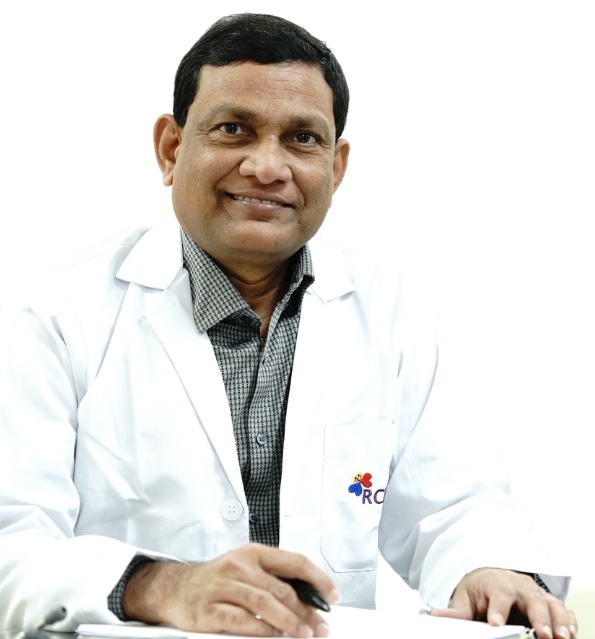
Dr. Koneti Nageswara Rao
Chief Pediatric Cardiologist Pediatric Cardiology
English, Telugu Banjara Hills, Road No 10
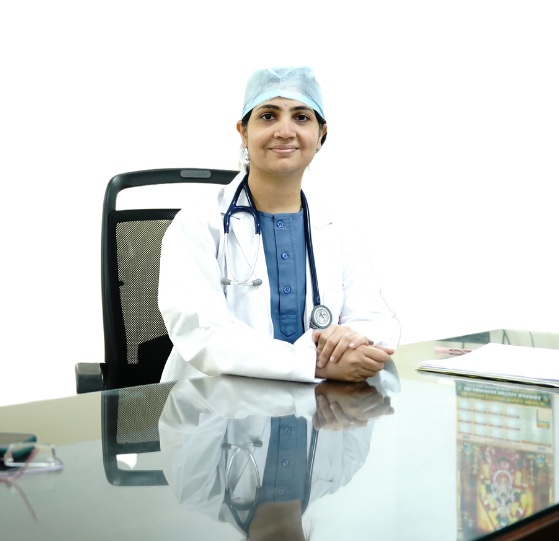
Dr. Shweta Bakhru
Senior Consultant Pediatric Cardiology
English, Hindi, Marathi Banjara Hills, Road No 10
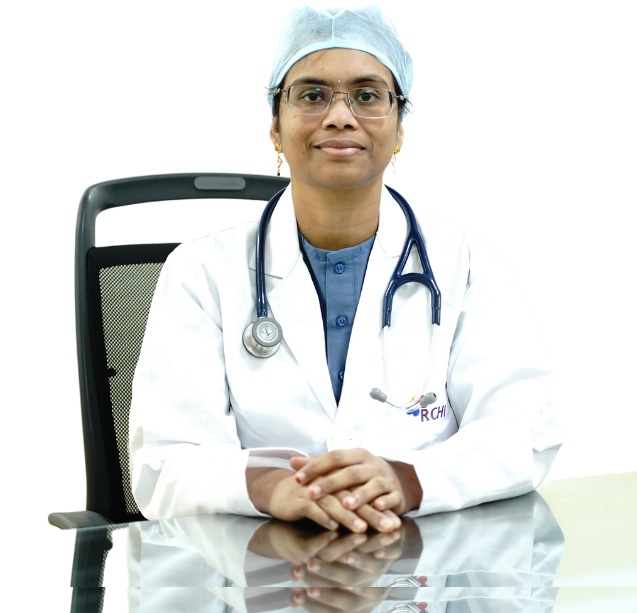
Dr. D. Sri Phani Bhargavi
Consultant Pediatric Cardiology
English, Telugu Banjara Hills, Road No 10 Kondapur
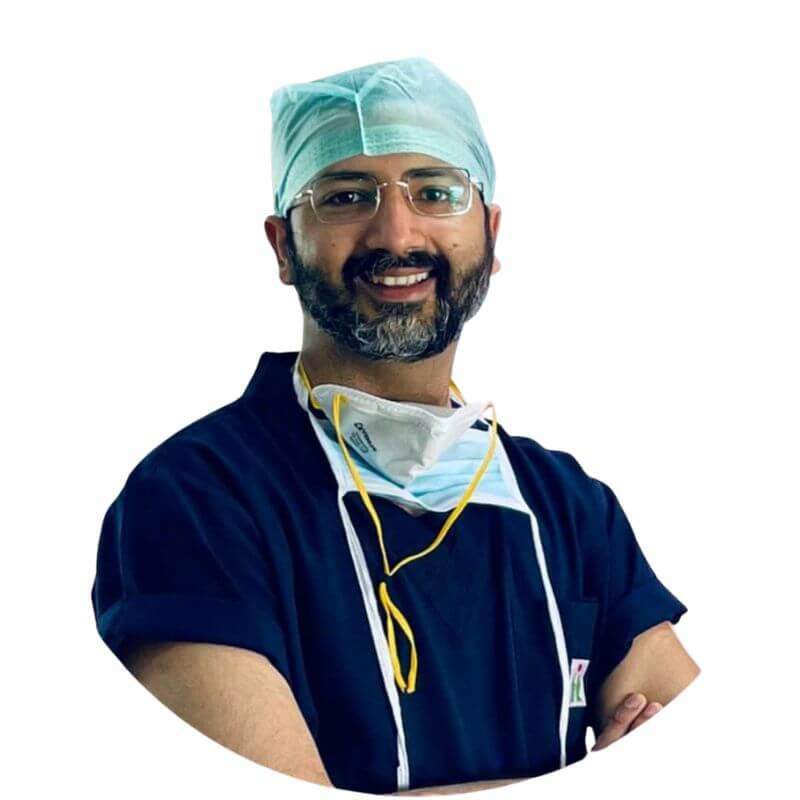
Dr. Chauhan Abhinavsingh Abhimanyusingh
Consultant Pediatric Cardiac Surgeon Cardiothoracic Surgery
English, Hindi Banjara Hills, Road No 10

Dr. Yogesh Bakhru
Paediatric Anaesthesiologist Anesthesia
English, Hindi Banjara Hills, Road No 10

Dr. Konda Ramakrishna
Pediatric Cardiac Intensivist Intensive Care Unit
English, Hindi Banjara Hills, Road No 10

Dr. Krishnan Ganapathy Subramaniam
Director - Pediatric cardiothoracic surgery Pediatric Cardiology
English, Hindi, Tamil, Telugu Heart Institute, Banjara Rd 10

Dr. Shiva Rubini Tambirajoo's
Director - Clinical Associate Pediatric Cardiology
English, Malayalam, Tamil Heart Institute, Banjara Rd 10
Articles




Copyright © 2026. All Right Reserved by Rainbow Specialty Hospitals Private Limited.


